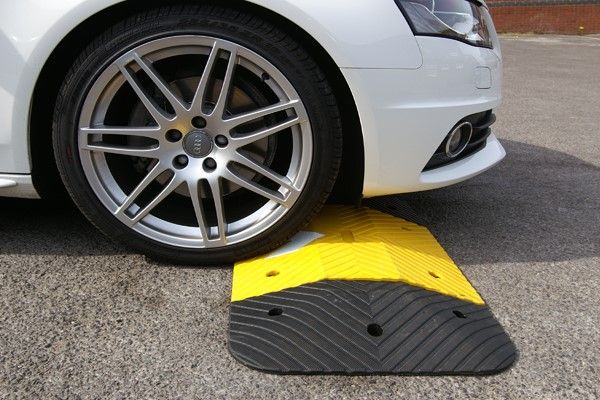
When it comes to maintaining safety on residential streets and public areas, few traffic control measures are as effective as speed bumps. These simple yet impactful structures play a crucial role in promoting safe driving habits, reducing accidents, and creating a safer environment for everyone.
In this article, we’ll explore the importance of installing speed bumps in your community, their benefits, and how they contribute to a secure and peaceful neighborhood.
What Are Speed Bumps?
Speed bumps are raised structures built across roadways to reduce vehicle speed. They are typically found in residential areas, school zones, parking lots, and other locations where traffic control is essential.
Unlike speed humps, which are longer and designed for moderate speed reduction, speed bumps are steeper and force vehicles to slow down significantly.
The Benefits of Speed Bumps in Communities
1. Enhanced Safety for Pedestrians
One of the primary purposes of speed bumps is to protect pedestrians, especially in high-traffic areas like school zones and playgrounds. By forcing drivers to reduce their speed, speed bumps provide pedestrians with a safer environment to walk, cross roads, and enjoy public spaces.
2. Reduction in Traffic Accidents
Speeding is a major cause of traffic accidents. Speed bumps act as a physical reminder for drivers to slow down, reducing the likelihood of collisions. This is particularly important in residential neighborhoods where children and pets may unexpectedly enter the road.
3. Promoting Responsible Driving
Speed bumps encourage drivers to remain vigilant and practice safe driving habits. They serve as a deterrent for reckless driving, ensuring that speed limits are respected and traffic laws are followed.
4. Noise and Pollution Control
By slowing down traffic, speed bumps can indirectly help reduce noise and air pollution in neighborhoods. Vehicles moving at slower speeds produce less noise and emit fewer pollutants, creating a healthier and quieter environment.
5. Increased Property Value
A community with safe and well-maintained roads often attracts more residents. The presence of speed bumps can enhance the overall appeal of a neighborhood, leading to increased property values.
Common Areas That Benefit from Speed Bumps
Speed bumps are versatile and can be installed in various locations, such as:
- Residential Streets: To ensure the safety of families and children playing outdoors.
- School Zones: To protect students and staff during busy pick-up and drop-off times.
- Parking Lots: To prevent accidents in areas with heavy foot traffic.
- Hospitals: To ensure vehicles slow down in sensitive zones with emergency activities.
How to Implement Speed Bumps in Your Community
If your community doesn’t have speed bumps yet, here are some steps to get started:
1. Assess the Need
Identify areas with frequent speeding incidents or high pedestrian traffic. Community feedback and traffic studies can help determine the most critical locations.
2. Work with Local Authorities
Reach out to your local government or transportation department to discuss the installation of speed bumps. Share data and evidence to support your request.
3. Secure Funding
Speed bumps are cost-effective, but funding may still be required. Collaborate with your homeowners’ association (HOA) or seek grants from local organizations to cover the expenses.
4. Install Proper Signage
Speed bumps should always be accompanied by clear warning signs to alert drivers in advance. This ensures that vehicles slow down safely.
5. Monitor and Evaluate
After installation, monitor the effectiveness of the speed bumps and gather feedback from residents. Make adjustments if needed to improve traffic safety further.
Conclusion
Installing speed bumps in your community is a proactive step toward creating a safer, more livable environment. These simple structures reduce speeding, protect pedestrians, and promote responsible driving habits, making them an essential addition to any neighborhood.
By advocating for the installation of speed bumps in critical areas, you can play a vital role in improving safety and enhancing the quality of life for everyone in your community. Take the first step today and help make your streets a safer place for all!