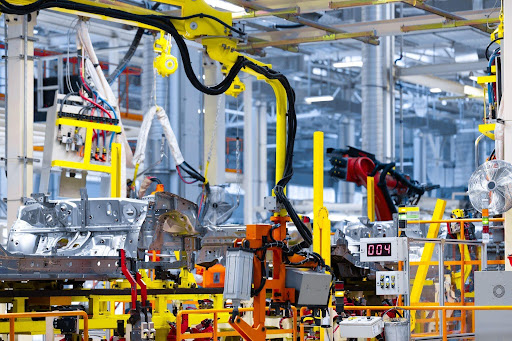
Manufacturing is experiencing one of the most significant transformations in its history. Companies are no longer relying solely on traditional production methods to stay competitive. Instead, they are embracing advanced technologies, connected systems, and data-driven strategies to improve efficiency, reduce costs, and deliver higher-quality products. For businesses and industry professionals, understanding these changes is essential because they directly influence productivity, profitability, and long-term growth.
Today’s manufacturing environment is built around smarter decision-making and greater operational visibility. With increasing customer expectations and growing market competition, organisations are seeking ways to streamline workflows and eliminate inefficiencies. This is where automation in the industry is creating a major impact by helping businesses achieve faster production cycles, better quality control, and improved resource utilisation. As a result, manufacturers can meet demand more effectively while maintaining high standards of performance.
The Shift Toward Precision Manufacturing
Precision has become a defining factor in modern manufacturing. Customers expect products that meet exact specifications, and even minor errors can lead to significant financial losses. To address these challenges, manufacturers are investing in technologies that improve accuracy across every stage of production.
Advanced machinery, sensors, and monitoring systems enable companies to maintain tighter control over manufacturing processes. These solutions help reduce material waste, improve consistency, and minimise defects. Precision manufacturing not only enhances product quality but also contributes to greater customer satisfaction and brand reputation.
Businesses that prioritise precision often experience several advantages:
- Reduced production errors and rework costs
- Improved product reliability and consistency
- Better utilization of materials and resources
- Increased customer confidence and loyalty
By focusing on accuracy and process optimisation, manufacturers can create stronger foundations for sustainable growth.
The Power of Connectivity in Modern Operations
Connectivity is reshaping the way manufacturing facilities operate. Modern production environments are becoming increasingly interconnected, allowing machines, systems, and personnel to communicate in real time. This connected approach provides organisations with valuable insights that support faster and more informed decision-making.
When production equipment is connected through digital networks, managers can monitor performance, identify bottlenecks, and respond quickly to operational issues. Real-time visibility reduces downtime and improves overall efficiency.
Connected manufacturing environments also support better collaboration between departments. Information can flow seamlessly across production, inventory management, maintenance, and quality assurance teams. This improved communication helps organisations align their objectives and respond more effectively to changing market conditions.
The benefits of connectivity include:
- Enhanced operational visibility
- Faster response to equipment issues
- Improved collaboration across departments
- Better planning and forecasting capabilities
As manufacturing processes become more complex, connectivity serves as the foundation for smarter and more agile operations.
Innovation as a Competitive Advantage
Innovation is no longer optional for manufacturers seeking long-term success. Organizations that continuously explore new technologies and methods are better positioned to adapt to industry changes and customer demands.
Innovative manufacturing solutions help businesses optimise production processes, improve workplace safety, and increase overall efficiency. From advanced robotics to intelligent monitoring systems, technology is enabling manufacturers to accomplish more with fewer resources.
One of the most significant developments in recent years has been the growth of industrial automation. By automating repetitive and time-consuming tasks, manufacturers can improve consistency while allowing employees to focus on higher-value activities. This combination of human expertise and technological capability creates a more productive and flexible working environment.
Innovation also encourages companies to rethink traditional workflows and identify opportunities for continuous improvement. Businesses that foster a culture of innovation are often more resilient and better prepared for future challenges.
Enhancing Productivity Through Smarter Processes
Productivity remains one of the primary goals for any manufacturing organisation. However, increasing output without sacrificing quality requires a strategic approach. Modern manufacturers are achieving this balance through smarter processes that leverage data, technology, and operational insights.
Data-driven decision-making allows companies to identify inefficiencies and implement targeted improvements. By analysing production metrics, organisations can uncover patterns that impact performance and make adjustments before small issues become major problems.
Predictive maintenance is another example of how smarter processes are transforming manufacturing. Rather than waiting for equipment failures to occur, companies can monitor machine health and schedule maintenance proactively. This approach helps reduce unexpected downtime and extends equipment lifespan.
Key strategies for improving productivity include:
- Monitoring performance metrics in real time
- Implementing predictive maintenance programs
- Optimizing workflow design and resource allocation
- Using technology to reduce manual intervention
These initiatives contribute to smoother operations and stronger business outcomes.
Building a More Sustainable Manufacturing Future
Sustainability has become a critical priority across industries, and manufacturing is no exception. Organisations are under increasing pressure to reduce environmental impact while maintaining operational efficiency.
Modern technologies are helping manufacturers achieve both objectives. Improved monitoring systems enable businesses to track energy consumption, reduce waste, and optimize resource usage. Greater visibility into production processes allows companies to identify areas where sustainability improvements can be made.
In addition to environmental benefits, sustainable practices often result in cost savings. Reduced energy consumption, lower material waste, and improved efficiency can have a positive impact on profitability. This makes sustainability not only an environmental responsibility but also a smart business strategy.
Furthermore, consumers and stakeholders increasingly favour companies that demonstrate a commitment to responsible manufacturing practices. Organisations that embrace sustainability can strengthen their reputation and create long-term value.
Preparing for the Future of Manufacturing
The manufacturing landscape will continue to evolve as new technologies emerge and market expectations change. Companies that remain adaptable and forward-thinking will be best positioned to succeed in this dynamic environment.
Future-ready manufacturers understand the importance of investing in technology, workforce development, and continuous improvement initiatives. They recognise that transformation is not a one-time project but an ongoing journey that requires commitment and strategic planning.
As organisations pursue greater efficiency and competitiveness, automation in the industry will remain a key driver of progress. Combined with precision engineering, connected systems, and innovative thinking, automation helps create smarter and more resilient manufacturing operations.
Businesses that embrace these advancements today will be better prepared to meet tomorrow’s challenges and opportunities.
Conclusion
Manufacturing is evolving through greater precision, connectivity, and innovation. These advancements help businesses improve efficiency, product quality, and overall operational performance.
With technologies such as automation and data-driven systems, manufacturers can streamline processes, reduce costs, and remain competitive. Companies that embrace continuous improvement and modern solutions will be better positioned for long-term success in an increasingly technology-driven industry.
Dynamic Industrial UAE provides industrial solutions that support efficiency, productivity, and modern operational needs.