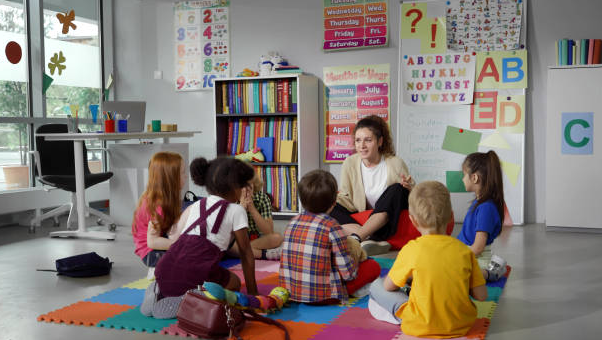
One of the most important choices a family may make is selecting the best childcare, since it affects a child’s early experiences and growth. The choice between daycare and home care is not about finding a better alternative, but about determining the best match for your child’s personality and your family’s circumstances. Nurseries, which are sometimes called daycare facilities, provide a solid basis for school readiness by offering organised learning settings and possibilities for social interaction with other children. On the other hand, home care, which can be provided by a nanny or in a home-based environment, offers a more familiar setting and individualised attention, which may be especially advantageous for babies or kids who need extra help. A close examination of your family’s needs will determine the best course of action. Home care frequently offers unmatched flexibility and one-on-one connection, but a carefully selected Childrens Nursery may offer an encouraging atmosphere with certified staff and stringent safety regulations. This guide will help you make an informed decision by laying out the most important factors, such as structure, socialisation, and expense.
Interaction with peers and socialising
Developing crucial social skills may be done in a nursery setting. Outside their family unit, children learn to share, cooperate, settle disagreements, and navigate group dynamics with their peers. Exposure to a wide range of social settings at this young age might foster empathy and self-assurance. Unless it is supplemented with regular playgroups, home care, particularly one-on-one care, provides less consistent peer interaction, which may impede the growth of these abilities. Nevertheless, certain mixed-age daycares run out of people’s homes may provide beneficial peer learning opportunities, albeit with less formalised social curricula.
Learning Environment and Structure
Daycare facilities often adhere to a structured schedule that incorporates academic pursuits that are appropriate for children their age and are designed to foster cognitive and school preparedness objectives. Storytelling, early literacy, and problem-solving through play are frequently included in programs. Especially when a nanny is involved, home care gives your child and family a schedule that is completely personalised. Even if this can be more flexible, it might not have the same range of educational materials and development goals that a centre does. The caregiver’s training and initiative are crucial factors in determining the calibre of home care’s instructional input.
Comfort and Personalised Attention
Because the caregiver may concentrate entirely on your child’s requirements and developmental speed, home care offers a high degree of one-on-one attention. The known household environment may be less stressful for children or babies who have difficulty adjusting. In contrast, daycare has a greater child-to-staff ratio and bigger group sizes, which means less individualised attention. Even while nurseries of a high standard have trained personnel, it’s possible that the personal bond isn’t as strong as it would be with a committed nanny. For parents wishing to establish a family relationship with their child, this is a crucial component.
Reliability and Consistency
Due to substitute teachers, childcare facilities provide regular hours, dependable coverage, and structured regimens that are not impacted by staff absence. For working parents, this dependability is essential. Home care may be less reliable; if your childminder or nanny is ill, you might not have a backup. This inconsistency poses a serious logistical issue. However, home care frequently provides more adaptable schedules and routines that may be customised to the particular needs of your family, which many households consider a huge asset.
Quality Assurance and Regulation
Daycare facilities are required to abide by tight safety and licensing laws, with certified staff and clear safety measures. Parents have a quality and compliance benchmark thanks to this supervision, which includes being registered to provide government-funded hours for children aged 2, 3, and 4 years. There are fewer external checks on home-based care, particularly unlicensed in-home nannies. As a result, the quality of treatment can vary considerably and is mostly determined by the person providing the care. Before choosing a home care provider, make sure to verify their certifications and references.
Conclusion
Home care and daycare are choices that depend on your family’s priorities. Ideal for households prioritising school readiness and regular routines, daycare nurseries provide supervised, structured settings that encourage social skills and guarantee consistent coverage. Home care offers individualised attention, flexibility, and comfort, but it typically costs more and depends more on the individual caregiver. In the end, the optimal choice is the one that fits your budget, your family’s logistical needs, and your child’s personality. Both may be fantastic selections; the trick is to choose top-notch care that suits your particular situation.